About Dr. Jenny Bannister
Psychologist Licensed in FL & NY
Hope grounded in science and compassion.
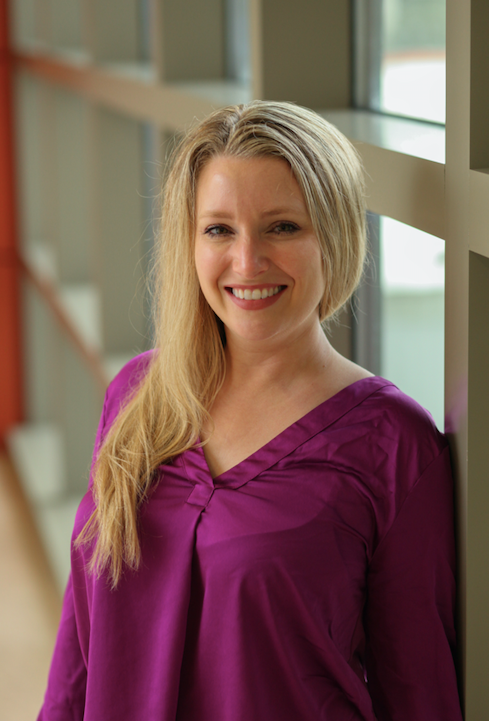
For just over 15 years, I have had the privilege of helping people rebuild their lives after trauma. What continues to inspire me is not simply seeing PTSD symptoms improve - it's watching people regain hope, reconnect with the people they love, and discover that trauma no longer has to define their future.

Why This Work
I specialize in evidence-based treatment for PTSD, trauma, relationships, church hurt, grief, and insomnia — not because trauma fits neatly into one category, but because it never does. Trauma rarely affects only one part of a person's life. It touches relationships, identity, sleep, and worldview, often all at once.
That's the question that has shaped my entire career: How does trauma affect the way people live, love, connect, and recover?
I was drawn early to working with people facing some of the most complex trauma histories, because I saw how much healing was possible when treatment combined genuine compassion with approaches backed by real evidence - not one or the other, but both together.

Why the Science Matters to Me
My doctoral training in Counseling Psychology at the University of Houston gave me a rigorous foundation in evidence-based assessment, psychotherapy, and research. That foundation has stayed at the center of my work ever since - I don't offer therapy that simply feels supportive; I offer treatments with decades of research behind them, because I've seen what a real difference that distinction makes.
Why I Work with Couples, Not Just Individuals
While individual therapy is incredibly powerful, trauma doesn't live in a vacuum — it lives in the space between people. When one partner is struggling with the aftermath of trauma, it ripples through the entire relationship, affecting intimacy, communication, and trust.
I work with couples because healing together often accelerates the recovery process. By bringing partners into the room, we can transform the relationship from a source of stress into the primary source of safety and support.
Evidence-based conjoint therapies like Cognitive Behavioral Conjoint Therapy (CBCT) allow us to address PTSD symptoms while simultaneously strengthening the bond that trauma so often tries to pull apart. I served as a national consultant for CBCT within the VA and continue to assist with dissemination efforts internationally, helping bring this treatment to more couples worldwide. I also consult on training new therapists in Integrative Behavioral Couple Therapy (IBCT) within a research context, helping ensure the next generation of clinicians can deliver both treatments with fidelity.

Why Sleep Is Part of the Picture
Insomnia and PTSD are close companions far more often than people expect. My training in behavioral sleep medicine, including consultation with Duke Medicine, reinforced just how closely the two intersect — and why treating one often means understanding the other.

Bringing It Together
I spent years in VA providing evidence-based PTSD treatment, before helping build and lead a specialty program focused on couples and families. Alongside direct clinical work, I've had the opportunity to provide consultation, supervision, research mentorship, and national training in evidence-based PTSD treatments - work I continue today.
Every part of that path led to the same place: a practice built on the belief that recovery is possible, even from what feels unrecoverable - when compassion and evidence work together.

Clinical Expertise
Whether I'm working with an individual or a couple, my goal is always the same: to help you understand what's keeping you stuck, learn practical skills supported by decades of research, and rebuild a life that feels meaningful, connected, and hopeful.
I use treatments recommended by national clinical practice guidelines, alongside additional empirically supported treatments for trauma and relationships:
Recommended by clinical practice guidelines:
Cognitive Processing Therapy (CPT)
Prolonged Exposure Therapy (PE)
Cognitive Behavioral Therapy for Insomnia (CBT-I)
Cognitive Processing Therapy (CPT) — recommended by the VA/DoD Clinical Practice Guideline for PTSD
Prolonged Exposure Therapy (PE) — recommended by the VA/DoD Clinical Practice Guideline for PTSD
Cognitive Behavioral Therapy for Insomnia (CBT-I) — recommended as first-line treatment by the American College of Physicians for chronic insomnia
Empirically supported treatments:
Cognitive Behavioral Conjoint Therapy (CBCT) for PTSD
Integrative Behavioral Couple Therapy (IBCT)
Trauma-Informed Guilt Reduction (TrIGR)
One of the greatest privileges of my career has been watching individuals and couples discover that recovery isn't simply about reducing symptoms. It's about reclaiming the life, relationships, and future that trauma interrupted.

Why Work with a Psychologist?
Psychologists receive extensive training in the science of human behavior and mental health, often spending 5-7 years in doctoral training before they even begin their professional practice. This deep background in psychological assessment, diagnosis, and evidence-based psychotherapy allows us to understand the complex interplay between your brain, your environment, and your experiences. When you work with a psychologist, you aren't just getting someone to talk to—you are gaining access to a highly specialized approach to healing that is rooted in rigorous research and clinical expertise.


The Lighthouse
The lighthouse in my logo was originally part of my mother's therapy practice. Today it serves as a quiet reminder of something I believe deeply: hope isn't about pretending storms don't exist — it's about knowing there is a steady point of reference as you move through them.
Beyond the Therapy Office
Outside of clinical work, I remain deeply committed to teaching, consultation, and advancing evidence-based trauma treatment. I enjoy collaborating with other professionals, mentoring clinicians, contributing to research, and continuing to learn.
Most importantly, I believe what first drew me to this work over 15 years ago:
People are remarkably resilient.
Given the right support, practical skills, and evidence-based treatment, recovery is possible.